
Get Propane Line Installation
Propane line installation services help property owners safely set up and connect propane lines for appliances, heating systems, and outdoor equipment.
Property owners exploring propane line installation often seek reliable solutions to enhance their property's functionality and efficiency. Whether upgrading an existing system or planning a new setup, ensuring a safe and properly installed propane line is essential for appliances, heating systems, or outdoor amenities. This work requires careful planning and the expertise of experienced contractors who understand the specific needs of the local area, making it important to compare local service providers to find the right fit.
By examining options from local contractors specializing in propane line installation, property owners can make informed decisions tailored to their project goals. Considering the experience and reputation of nearby service providers helps ensure the work aligns with safety standards and practical requirements. Continuing to explore these local options can lead to a successful installation that meets the unique demands of each property.
- Residential Propane Line Installation - homeowners may need this service when setting up propane for heating or appliances in their homes.
- Commercial Propane Line Installation - businesses requiring reliable propane supply for cooking, heating, or equipment may seek local contractors for installation.
- Propane Line Repair - property owners experiencing leaks or damage to existing propane lines can connect with service providers for repairs.
- Propane Line Replacement - clients with outdated or unsafe propane lines may need professional replacement to ensure safety and compliance.
- Propane Line Maintenance - those looking to keep their propane systems functioning properly might contact local pros for routine inspections and upkeep.
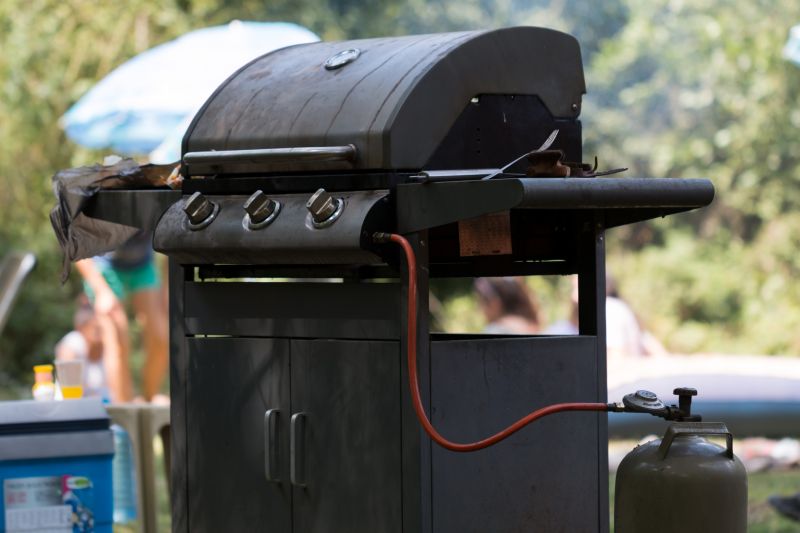
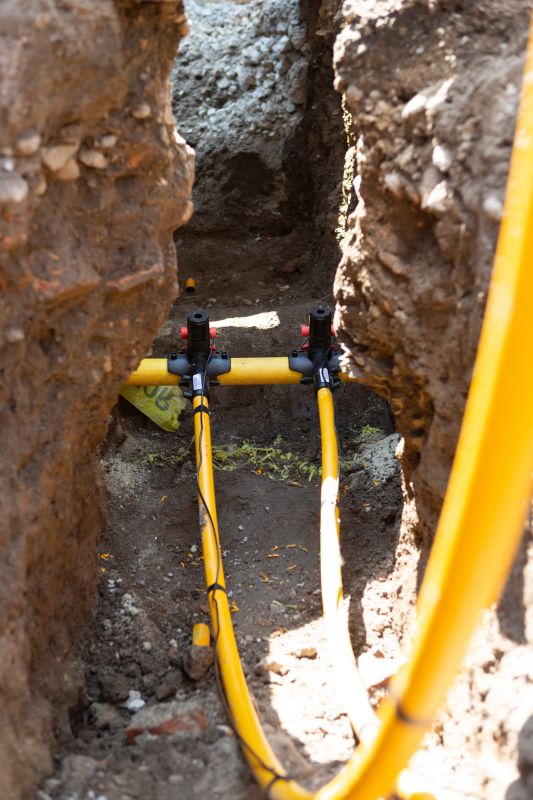
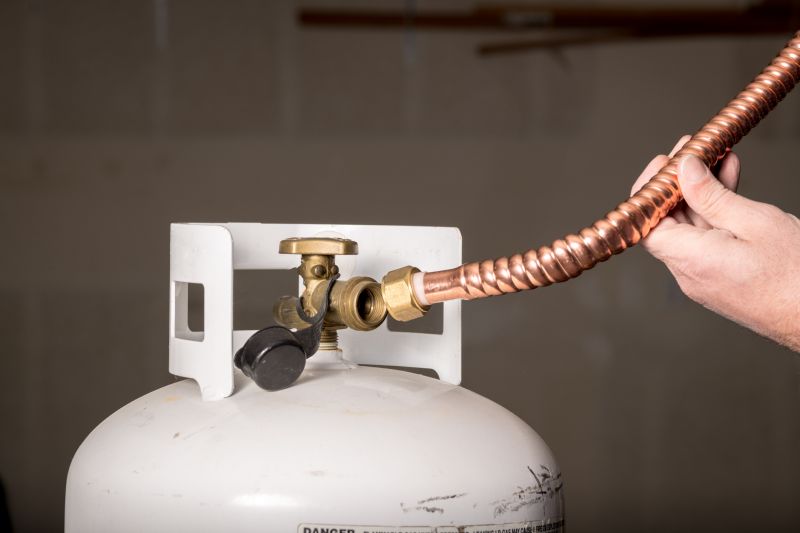
Propane line installation services involve setting up a safe and reliable system to supply propane gas from a storage tank to appliances within a property. This process includes running durable piping, connecting regulators, and ensuring all components are properly installed to prevent leaks and ensure efficient operation. Proper installation is essential for properties that rely on propane for heating, cooking, water heating, or fueling outdoor equipment. Experienced local contractors handle these installations with attention to safety standards and local codes, helping homeowners establish a dependable propane supply.
Many common problems can be addressed through professional propane line installation. For example, older or improperly installed lines may develop leaks or blockages, leading to potential safety hazards or interrupted service. In some cases, homeowners may need an entirely new line when expanding their property or upgrading appliances that require a higher gas capacity. Proper installation can also prevent issues related to corrosion or damage caused by environmental factors, ensuring the propane system remains safe and functional over time.
Properties that typically use propane line installation services include single-family homes, multi-unit residential buildings, and small commercial establishments. Homes with outdoor grills, fireplaces, or backup generators often require dedicated propane lines to ensure consistent fuel delivery. Additionally, rural properties or homes not connected to natural gas lines frequently rely on propane as a primary energy source. Service providers can assess each property’s specific needs and design a propane system that fits its size, layout, and usage requirements.
Homeowners who are considering installing new propane appliances or upgrading their existing systems may find propane line installation to be a crucial step. Whether building a new home, renovating an older property, or expanding outdoor living spaces, professional installation ensures the propane supply is safe, efficient, and compliant with local standards. Connecting with experienced local contractors can help determine the best approach for each property, providing peace of mind that the propane system will serve its intended purpose reliably and safely.
The overview below groups typical Propane Line Installation projects into broad ranges so you can see how smaller, mid-sized, and larger jobs often compare in your area.
In many markets, a large share of routine jobs stays in the lower and middle ranges, while only a smaller percentage of projects moves into the highest bands when the work is more complex or site conditions are harder than average.
Smaller Repairs - minor propane line repairs or adjustments typically cost between $100 and $300. Many routine jobs fall within this range, though prices can vary based on specific issues and location.
Line Extensions - extending an existing propane line usually ranges from $250 to $600 for many smaller projects. Larger or more complex extensions can reach $1,000 or more, depending on distance and site conditions.
Full Line Replacement - replacing an entire propane line system can cost between $1,500 and $4,000. Most projects in this category fall into the middle of this range, with larger, more intricate jobs potentially exceeding $5,000.
Commercial Installations - large-scale propane line installations for commercial properties often start around $5,000 and can go well above $20,000. These projects tend to be customized, with costs depending heavily on scope and complexity.
Actual totals will depend on details like access to the work area, the scope of the project, and the materials selected, so use these as general starting points rather than exact figures.
Natural Gas Line Installation - involves planning and installing underground piping systems similar to propane line setups, requiring knowledge of safety standards and proper tools.
Oil Line Plumbing - requires precise pipe fitting and planning for fuel delivery systems, sharing skills in handling hazardous materials and underground piping.
Underground Utility Line Installation - includes installing various underground services, which involves similar trenching, safety measures, and planning as propane line projects.
LP Gas System Setup - encompasses designing and installing propane storage and delivery systems, closely related to propane line installation tasks.
Fire Suppression System Piping - involves installing specialized piping networks that require precise planning and knowledge of piping systems, similar to propane lines.
Hydronic Heating System Installation - involves laying out and connecting piping for heating systems, sharing skills in pipe fitting, trenching, and system planning.
When evaluating potential service providers for propane line installation, it’s important to consider their experience with similar projects. Homeowners should look for local contractors who have a proven track record of handling propane line work in residential settings. An experienced professional will be familiar with the specific requirements and challenges of propane line installation, helping to ensure the job is completed safely and effectively. Asking for examples of past work or references related to similar installations can provide insight into their expertise and reliability.
Clear, written expectations are essential when comparing local pros. Homeowners should seek contractors who can provide detailed descriptions of the scope of work, materials to be used, and any relevant procedures or standards. Having this information in writing helps prevent misunderstandings and ensures everyone is aligned on the project’s goals. It’s also beneficial to clarify how the contractor plans to handle permits, inspections, or other regulatory considerations to avoid surprises later in the process.
Good communication and reputable references are key indicators of a dependable service provider. Homeowners should look for contractors who are responsive, transparent, and willing to answer questions thoroughly. Reaching out to past clients or checking references can offer valuable perspectives on the contractor’s professionalism, punctuality, and quality of work. While this site introduces homeowners to local options, it’s important to remember that the selection process involves assessing these qualities to find a contractor who can meet expectations and complete the propane line installation smoothly.
Property owners use Propane Line Installation services for practical projects around their homes and businesses. This guide focuses on everyday jobs and straightforward project options.
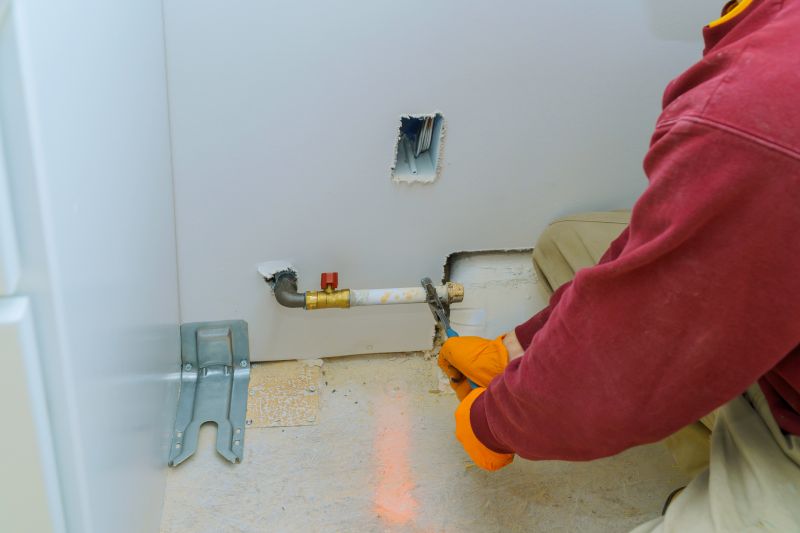
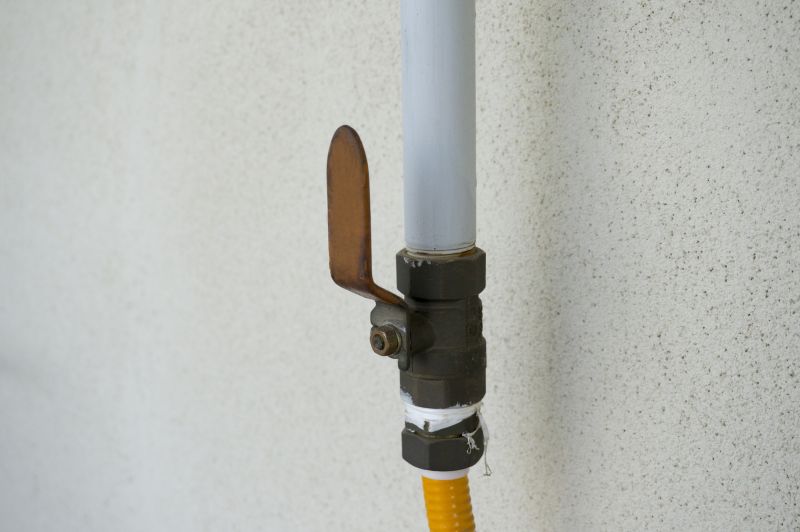
Propane line installation is a common project for property owners who need reliable fuel access for heating, appliances, or outdoor equipment. Homeowners replacing old or damaged lines may seek local contractors to ensure the new piping is properly installed and compliant with safety standards. Additionally, those building new structures or expanding existing properties often require professional services to set up propane lines that meet their specific energy needs.
Property owners might also look for local service providers when upgrading their current propane systems or adding new appliances that rely on a dedicated fuel source. Whether installing lines for outdoor kitchens, heating systems, or backup generators, having experienced local contractors handle the work can help ensure the job is completed efficiently and correctly. These professionals can assess the property, recommend appropriate solutions, and execute the installation to support everyday energy use.
What is involved in propane line installation? Propane line installation includes planning the route, preparing the area, and securely connecting the propane supply to appliances or tanks. Local service providers handle the necessary setup to ensure proper and safe installation.
Are there different types of propane lines for residential use? Yes, there are various types of propane lines designed for residential applications, such as underground or above-ground piping, depending on the specific needs and local codes. Local contractors can recommend suitable options.
How do I know if my property needs a new propane line? Signs that may indicate the need for a new propane line include frequent leaks, outdated piping, or recent property modifications. A professional inspection by local contractors can assess the system's condition.
What safety considerations are involved in propane line installation? Proper installation by experienced service providers ensures secure connections, correct material use, and adherence to safety standards to minimize risks associated with propane leaks or other hazards.
Can propane lines be installed in existing structures? Yes, propane lines can often be installed in existing buildings, but it depends on the structure’s layout and local codes. Consulting with local contractors helps determine the best approach for your property.
Propane Line Installation for Outdoor Kitchens - Property owners planning outdoor cooking areas can have local contractors install propane lines to power grills and appliances seamlessly.
Adding Propane Lines to Fire Pits and Heaters - Installing propane lines allows for convenient fueling of outdoor fire pits and patio heaters for cozy gatherings.
Supplying Propane for Backup Generators - Property owners can ensure their backup power systems are ready by having local service providers install propane lines for generators.
Upgrading Existing Propane Systems - Homeowners with outdated or limited propane setups can work with local pros to expand or improve their propane line network for better convenience.
If you are thinking about Propane Line Installation for a property, this guide is meant to help you understand the work, the typical project types, and how different options might fit your plans.
When you are ready, you can use the quote form on this page to share a few details about your project. From there, local pros can review the basics and respond with options that match what you have in mind.